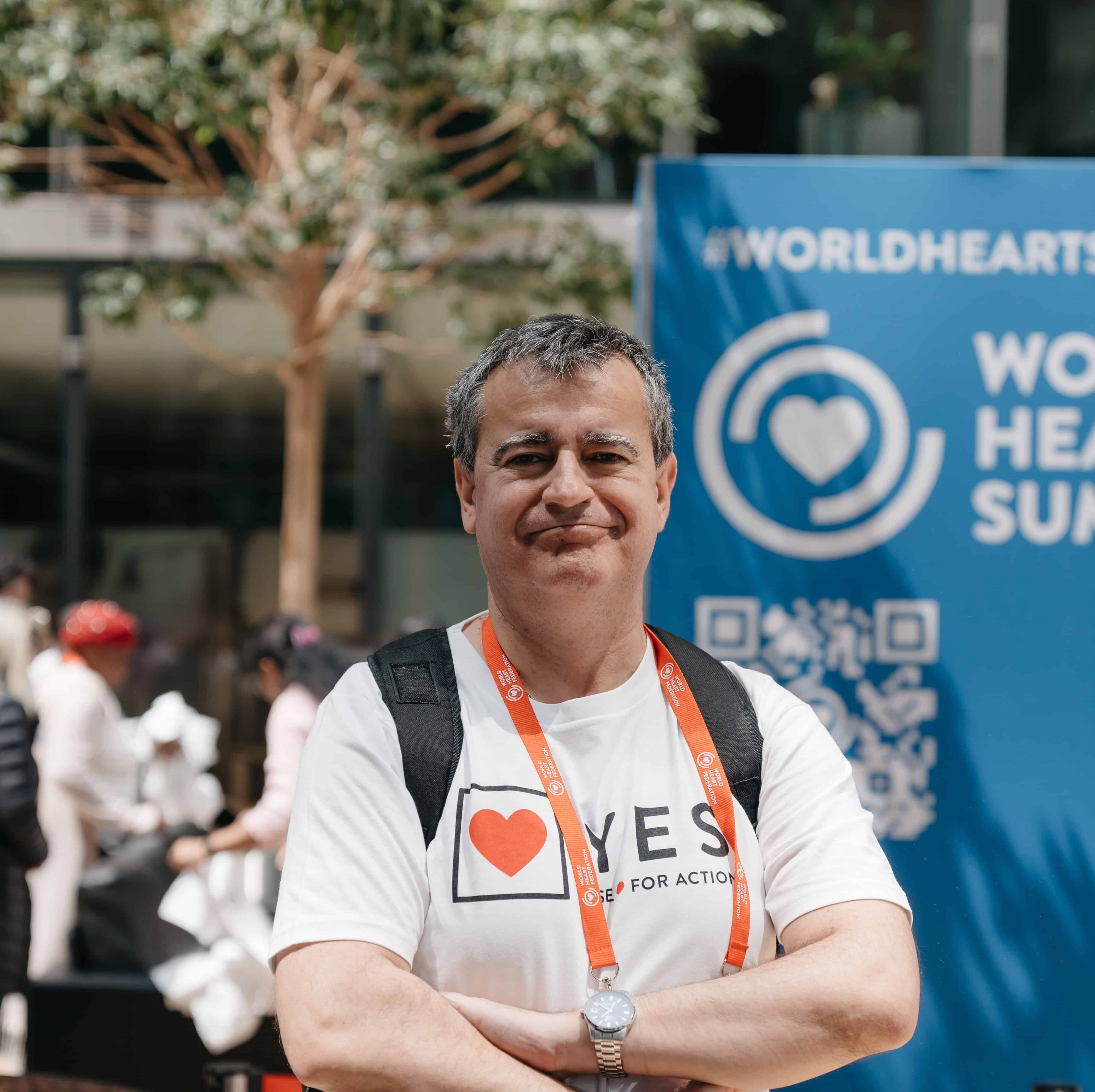
La mia storia
Quando sono nata, non c’era nulla di preoccupante: nessun sintomo, solo una bambina in buona salute. Che gioia ero per i miei genitori: ero la loro primogenita. Ma ben presto tutti si resero conto che qualcosa non andava. Ero debole e sottopeso, non avevo appetito, avevo la febbre e difficoltà respiratorie. Sono stata ricoverata in ospedale, dove mi è stato diagnosticato un grave difetto del setto ventricolare e una fessura di notevoli dimensioni nella valvola mitrale.
Il percorso verso l'intervento chirurgico
Ai miei genitori fu consigliato di recarsi al Royal Alexandra’s Hospital di Sydney per incontrare il miglior cardiochirurgo del Paese: il dottor Curtmill. Alto, dai capelli rossicci e con la barba. Dopo la procedura di cateterizzazione (spaventosa e dolorosa, direi), il verdetto fu chiaro: o si procedeva con l’operazione, che aveva il 50% di possibilità di sopravvivenza, oppure il bambino sarebbe sicuramente morto. I miei genitori erano distrutti dal dolore, ma non avevano scelta. Era il 1972. I rischi erano enormi. Ma, per fortuna, sono sopravvissuto.
"I miei genitori erano distrutti dal dolore, ma non avevano altra scelta. Era il 1972. I rischi erano enormi. Ma, per fortuna, sono sopravvissuto."
Ricomparsa delle complicanze
Il sollievo non durò a lungo. Ero ancora debole e non riuscivo a mettere su peso. Dopo ulteriori esami, il dottor Curtmill informò i miei genitori che l’intervento non era stato un successo completo, a causa di un errore nel posizionamento dei punti di sutura. Ne seguirono ulteriori consulti, altri esami e un altro cateterismo. Questa volta l’esito fu abbastanza positivo da farci credere che avrei potuto condurre una vita normale e tornare in Grecia.
Impegnarsi nella comunità
Per un po’ le cose sono andate così. Ma all’età di 26 anni è emerso un nuovo problema: un blocco ventricolare completo (di tipo III). Mi è stato impiantato un pacemaker e la vita è proseguita. In seguito a questo episodio, ho deciso di trarre il meglio dalla mia situazione. Mi sono avvicinato all’unica associazione che sono riuscito a trovare ad Atene attiva nel campo delle cardiopatie congenite: l’Associazione Panellenica per le Cardiopatie. In seguito sono diventato presidente di questa stessa organizzazione.
"Da quando mi è stato impiantato il pacemaker, sono riuscito a condurre una vita normale e appagante. Mi sono sposato e sono padre di due figli."
La vita oggi
Da quando mi è stato impiantato il pacemaker, sono riuscito a condurre una vita normale e appagante. Mi sono sposato e sono padre di due figli. Un anno fa mi è stato sostituito il pacemaker per la quinta volta. Ma anche se sono sopravvissuto, e in certi periodi ho persino vissuto momenti di grande soddisfazione, il prezzo psicologico che abbiamo pagato come famiglia è stato incalcolabile.
L'impatto sulla salute mentale
Mia madre, in particolare, non l’ha mai superata del tutto. Soffre ancora di depressione maggiore e ha incubi; ha 81 anni ed è in terapia farmacologica. E io? Da bambino subivo atti di bullismo, a volte estremi, a causa della mia salute palesemente cagionevole, del mio aspetto (magro, pallido, fragile, introverso) e perché ero troppo debole per lo sport e attività simili. Ho sviluppato fin da piccolo ansia sociale e attacchi di panico; mi comportavo in modo goffo e mi sentivo isolato. Ancora oggi sono in terapia farmacologica.
"L'impatto sulla nostra salute mentale può essere enorme. L'ho visto accadere più e più volte."
Non è mai semplice
Questa è la cruda verità per molti di noi. L’impatto sulla nostra salute mentale può essere enorme. L’ho visto accadere più e più volte. Sono stato felice per gran parte dei miei 57 anni: ho realizzato molti dei miei desideri e delle mie aspirazioni. Ma non è mai stato né semplice né facile. Non voglio sembrare pessimista; è semplicemente la realtà per molti di noi.
Abbi fiducia in te stesso
La fiducia in noi stessi è fondamentale, soprattutto quando si tratta di giovani che si trovano improvvisamente ad affrontare grandi sfide e devono adattarsi senza esitare. Credetemi: arrendersi non è nemmeno un'opzione.
Il ruolo della famiglia e degli amici è determinante, e il loro sostegno non può essere sottovalutato. Ma quando la porta della tua stanza si chiude alle tue spalle, sei solo. Nasciamo con l’istinto e la forza di sopravvivere, ma non ci saranno concessi senza perseveranza e fiducia in noi stessi. Niente è facile e niente è scontato. Ed è proprio questa la bellezza della cosa.
"Nasciamo con l'istinto e la forza di sopravvivere. Nulla è facile e nulla ci viene regalato. Ed è proprio questa la bellezza della cosa."
C'è sempre speranza
Oggi mi trovo da sola davanti allo specchio e penso che, alla fine, ne sia valsa la pena. Dopo 57 anni di sfide, traumi, depressione e difficoltà, sono certa che, in definitiva, ne sia valsa la pena.
Non mi interessa cosa succederà nel futuro immediato o in quello più lontano. Ciò che conta è che sono sopravvissuto e ho vissuto momenti di felicità e appagamento autentici e indiscutibili. Anche per le condizioni più complicate e gravi, oggi c’è speranza.
Risorse