My Story
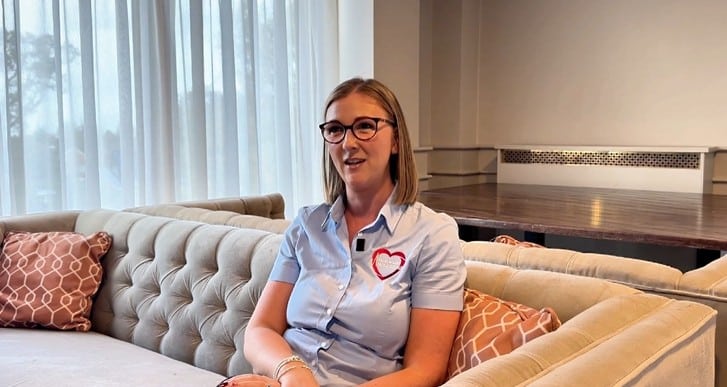
I’m Sharon, I’m 46 years old, and I’m a mother of four children.
During COVID, I was working on my social work placement and didn’t realise what was going on. I was struggling to breathe. I went to the doctor and was treated for asthma. I was blue-lighted to hospital twice and given asthma treatment, but I still wasn’t getting better.
In April, my GP felt something wasn’t right and did a D-dimer test, which showed clots above my lungs. I was put on treatment, but I kept saying that I can’t breathe or even walk across the hall to the bathroom.
By September, I was sent into hospital, and that’s when they finally discovered I had heart failure.
A Long Road to Answers
It was a long journey just to find out what was going on.
Tests showed my arteries were clear, but my heart function was down to 40%. A few months later, a CT scan confirmed myocarditis, along with non-ischaemic cardiomyopathy. It felt like one diagnosis after another.
Fear and Isolation
I was very scared. When I was told I had heart failure, I felt completely alone.
There was a gentleman on the ward diagnosed the same day as me. We planned to support each other, but shortly after, his wife told me he had passed away. That was mind-wracking.
I remember Googling heart failure and seeing “five years.” I looked at my son — he was only six or seven — and he said, “Mommy, please don’t die.”
"I had to come off my degree and was off work for a year and a half. My whole role at home shifted — I didn’t have the energy to do simple things. "
When Everything Changed
There are still days where the fatigue is so heavy that even holding my arms up feels impossible.
At that time, there was a lot of fear. I found myself thinking about things I never expected to — including planning for the future and having difficult conversations with my family.
Creating a Support Network
When I came out of hospital, there was no support. I was reaching out everywhere, asking if anything existed.
Then I met Nicole through a walking group. While others walked ahead, we were trailing behind, struggling to keep up. We started talking and realised our symptoms were similar. That connection gave us strength.
When Nicole suggested starting Heart Failure Warriors Northern Ireland, I said yes straight away. It felt like a way to give something back and help others find the support we didn’t have.
Living With an Invisible Illness
One of the hardest parts has been being a mother and explaining that I’m different now. I can’t do what I used to do.
I remember someone shouting at me for walking too slowly across the road. That moment stayed with me — because it showed how invisible this condition is.
Returning to work was also difficult. I could no longer do the job I once did and accepting that was one of the hardest parts — accepting this new version of myself.
I’ve had to learn to slow down, listen to my body, and pace myself.
"People don’t see what’s happening inside. They see someone young and make assumptions."
Why Education Matters
The more voices we have, the more we are heard.
We need to educate people — especially younger generations — and challenge the idea that heart failure only affects older people.
Many people come to our group feeling lost and isolated. Being able to guide them to the right support and say, “You’re not alone,” means everything.
Learning to Pace Myself
I’ve always been a “go, go, go” person. Even now, I’m working, studying, and helping with the charity — but I’ve learned to listen to my body. When my body is tired, I have to rest. If I ignore it, I hit a wall and can’t function for days.
It’s about learning to say no, resting when you need to, and not always pushing yourself for others.
"Through cardiac rehabilitation, I learned the importance of preserving my battery — making sure my energy lasts the whole week."
Why This Work Matters
What keeps us going are the voices of our members. For many, just having a conversation with someone who understands makes a huge difference. It helps them realise their symptoms are real and that they’re not alone.
We at Heart Failure Warriors Northern Ireland are working to improve support, reduce inequalities, and ensure people leave hospital with the right information.
For me, it’s about creating positive change — helping people move forward, slowly accept their diagnosis, and find the support they need along the way.