If the aortic stenosis is mild or moderate and there are no symptoms, regular monitoring is recommended. It usually includes:
- Regular check-ups
- Echocardiograms
- Reporting any new or changing symptoms
Aortic stenosis (AS) is a heart valve condition where the aortic valve becomes stiff or narrowed and cannot open properly. This makes it harder for the heart to pump the adequate amount of blood throughout the body, especially during physical activity. Over time, this extra strain can weaken the heart and may lead to heart failure.
The heart has four valves – aortic, mitral, tricuspid, and pulmonary – which open and close with each heartbeat to ensure blood flows in the right direction. The valves are made up of leaflets (also called cusps or flaps). Heart valve disease occurs when one or more of these valves do not function properly. This can happen when a valve does not open fully (called stenosis) or does not close properly, allowing leakage (called regurgitation).
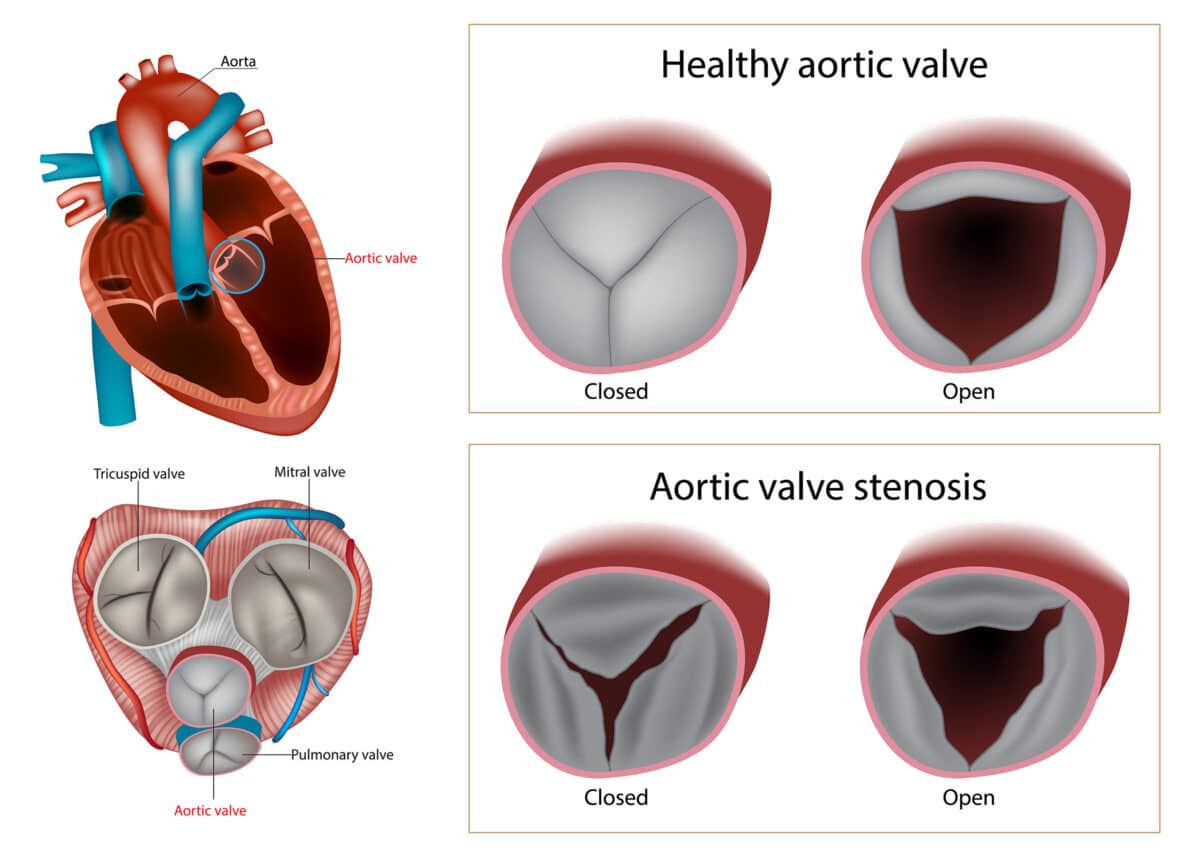
The most common type, usually affecting older adults. Aortic stenosis does not progress at the same rate for everyone. Some people remain stable for many years, while others experience a faster progression, making regular follow-up important.
A condition present from birth. It often occurs when the aortic valve has two flaps (cusps) instead of the usual three. This is called a bicuspid aortic valve.
Develops after rheumatic fever, which can damage the heart valves.
Aortic stenosis can happen for different reasons. The most common causes include:


Other factors that are linked with aortic stenosis include:





Aortic stenosis is generally more common in men. However, because women tend to live longer and the risk of developing aortic stenosis increases with age, severe aortic stenosis is slightly more common in women aged 75 and older.
Aortic stenosis often develops gradually and may not cause any symptoms at first. As the valve becomes more narrowed, the heart has to work harder to pump blood around the body. Over time, this can lead to signs and symptoms of of heart failure, such as shortness of breath, fatigue and reduced ability to exercise, as well as other symptoms that may indicate the condition is becoming more severe. These include:



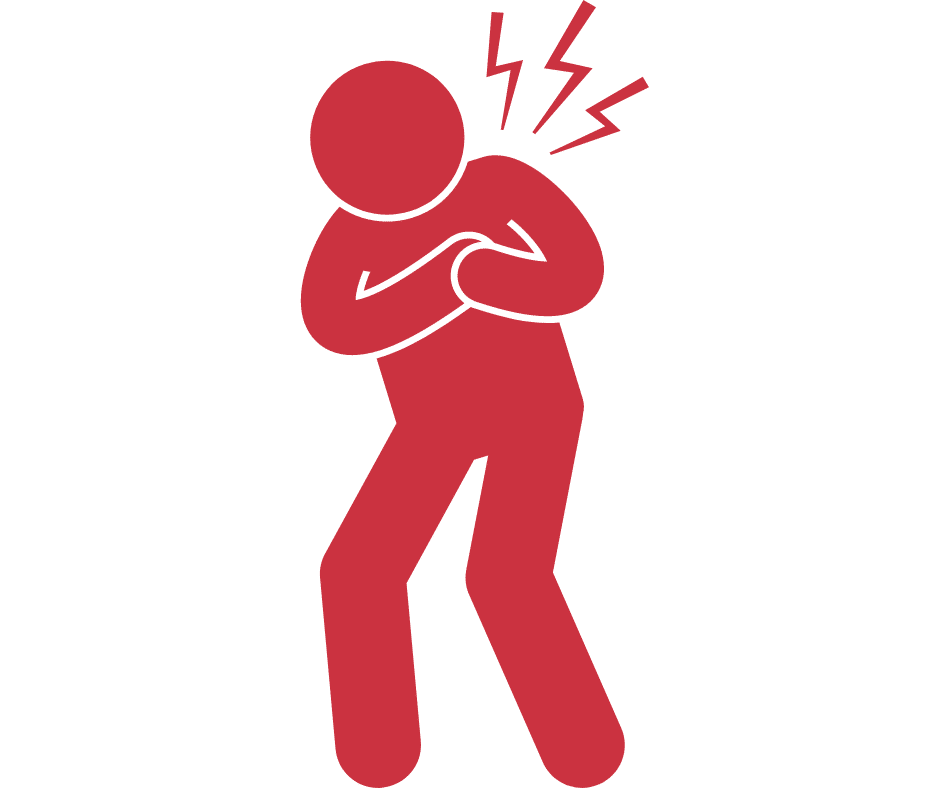
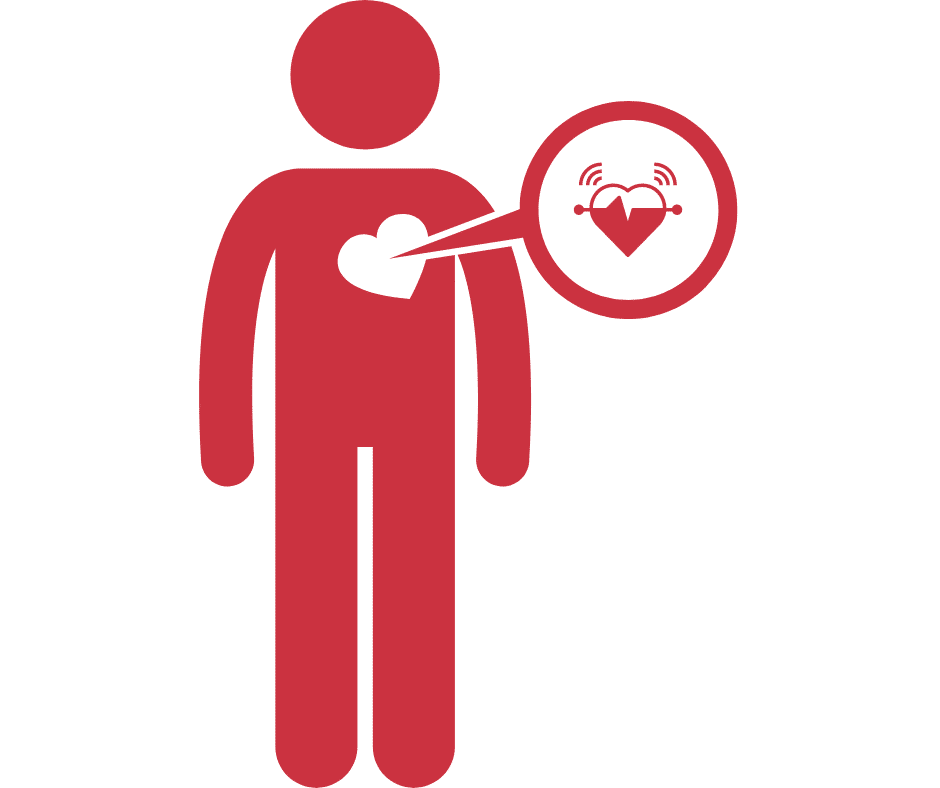
Some people gradually reduce their level of activity without realizing it — for example, avoiding stairs, taking shorter walks, or needing more help with everyday tasks. These changes should not automatically be considered part of normal ageing and should be discussed with a healthcare professional.
Aortic stenosis can gradually progress and place increasing pressure on the heart.
When severe, it can lead to serious complications and may be life-threatening without treatment.
Recognising symptoms early and seeking medical advice can help improve outcomes.
People with aortic stenosis (especially those with a bicuspid aortic valve) are more susceptible to infection of the valve. This is known as infective endocarditis and can be life-threatening.

Doctors use a combination of clinical assessment and tests to diagnose aortic stenosis and understand how severe it is. This includes reviewing symptoms, medical history and other health conditions (comorbidities).
The main test is echocardiography (Echo) – uses sound waves to generate a dynamic picture of your heart, revealing its structure, function, size and shape. stress test, where the patient walks on a treadmill (usually) at an increasing pace to assess how physical exertion affects your heart rate and rhythm. Echocardiograms may come in two forms:
Additional tests may include:
These tests help healthcare teams understand how well the valve is working, how the heart is affected, and what treatment approach may be most appropriate.

Treatment for aortic stenosis depends on how severe the condition is and whether there are symptoms. Healthcare teams will work with the patient to decide the best approach based on their individual needs.

If the aortic stenosis is mild or moderate and there are no symptoms, regular monitoring is recommended. It usually includes:
Your healthcare team may recommend healthy lifestyle changes to help support your heart health. These may include:
Your healthcare team can provide advice and support to help you make these changes.
There are no medicines that can cure aortic stenosis or open the narrowed valve. However, your doctor may prescribe medication to:
Ask your healthcare team whether it is safe for you to drink alcohol, as alcohol can affect some medications and may worsen certain heart conditions.
If the aortic stenosis is severe or symptomatic, replacing the valve is often the most effective treatment. A medical team will evaluate if you are eligible for this type of intervention.
There are two main types of valve replacement:
TAVI is a minimally invasive procedure in which a new valve is inserted through a blood vessel (usually in the groin) and placed inside the existing valve. It does not require open-heart surgery, and recovery is often quicker.
TAVI may be recommended for older patients, those with other health conditions, or individuals considered at higher risk for surgery.
This is a traditional open-heart surgery in which the damaged valve is removed and replaced with a new artificial valve.
There are different types of replacement valves:
SAVR may be recommended for patients who:
*Cardiac rehabilitation is recommended after an intervention of the aortic valve, and different medications may be prescribed.
The decision between TAVI and SAVR should be made together with your healthcare team, taking into account your age, overall health, lifestyle, personal preferences and the potential benefits and risks of each option.
Researchers continue to study new treatments for aortic stenosis through clinical trials. If you are interested in participating in a clinical trial, speak with your healthcare team to find out whether there may be a suitable study for you.
If you have aortic stenosis, it is important to stay informed and keep track of any changes in your health. You can support your heart health by:
Follow your treatment plan as you were told. Taking medications as instructed is vital for feeling better and enhancing your longevity. If you have any uncertainties, don’t hesitate to reach out to your doctor.
High blood pressure, cholesterol, diabetes, kidney disease, and other heart conditions should be managed carefully.
Do not skip follow-up visits, even if you feel well. In preparation for your appointment, write down symptoms, questions, medicines, and any changes in your daily activities.
Tell your healthcare team if you notice breathlessness, chest discomfort, dizziness, fainting, or reduced exercise tolerance.
Ask your doctor what level of physical activity is safe for you.
Boost your confidence in self-care by learning more about your condition. Use reliable sources to gather information and make informed decisions regarding your health. Knowledge is a powerful tool on your journey.
Living with a heart valve condition can feel worrying. Support from family, caregivers, healthcare professionals, and patient communities can help you feel less alone.
As you embark on your journey of managing aortic stenosis, engaging in open and insightful discussions with your healthcare provider is crucial. Here are some questions to consider, fostering a collaborative and informed approach to your heart health: