Certain medications can help prevent or treat irregular heart rhythms or rates, reduce the risk of blood clots (“blood thinners”), or lower blood pressure.
What is AFib?
Atrial Fibrillation (also know as AFib or AF) is the most common abnormal heart rhythm condition, caused by a disruption of the heart’s normal electrical system. It is a serious but manageable condition. However, early diagnosis is key.
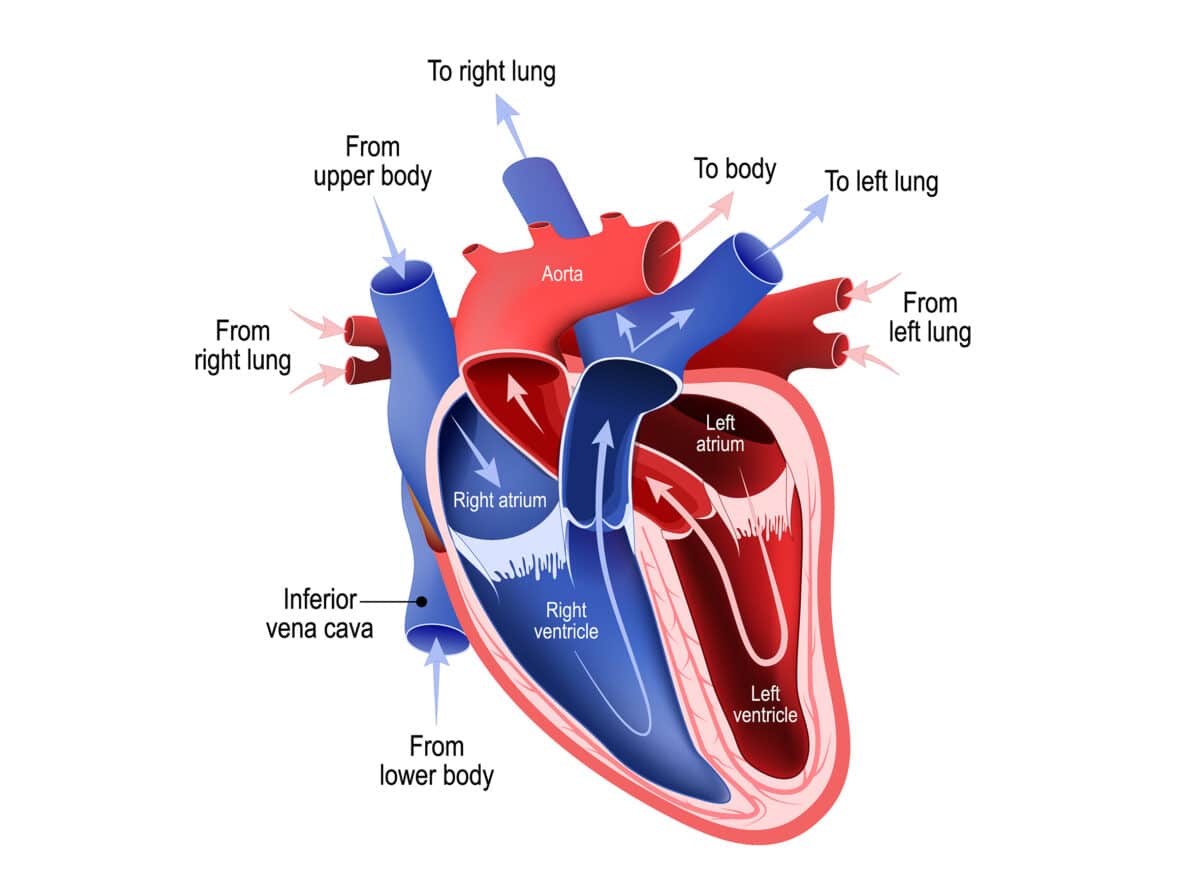
In a normal heart, the upper chambers (the atria) contract and empty blood into the lower chambers (the ventricles). The ventricles then contract (beat), with the right ventricle sending blood to the lungs and the left ventricle sending blood to the rest of the body.
In AFib, the atria contract in a rapid, chaotic, irregular way, becoming ineffective in passing the blood to the ventricles. This causes blood to pool in the atria, often causing blood clots to form. In addition, the ventricles may also start beating irregularly and faster than normal.
If left untreated, AFib can lead to serious complications – but with the right care and support, people can manage these risks.
Types of AFib
First-Diagnosed AFib
AFib that has been diagnosed for the first time, regardless of symptoms or duration.
Paroxysmal AFib
Episodes that come and go, stopping on their own or with treatment within seven days.
Persistent AFib
Episodes that last longer than seven days and usually need treatment to stop.
Permanent AFib
AFib that is ongoing, where restoring a normal rhythm is no longer the goal of treatment. Rather, treatment focuses on preventing blood clots and slowing fast heart rates.
Atrial fibrillation affects around 2% of adults in Europe. Early detection and management of atrial fibrillation is extremely important, as this condition increases the risk of stroke, dementia, and heart failure.
WHAT CAUSES AFib?
AFib can be caused by changes or damage to the heart’s electrical system or structural problems in the heart.
Common risk factors include:


OLDER AGE

HIGH BLOOD PRESSURE (HYPERTENSION)

CORONARY ARTERY DISEASE (CAD)

HEART FAILURE

DIABETES

HEART VALVE DISEASE

SLEEP APNEA
CHRONIC KIDNEY DISEASE
HYPERTHYROIDISM

OBESITY
SMOKING

ALCOHOL OR ILLICIT DRUG CONSUMPTION

CAUCASIC ANCESTRY

FAMILY HISTORY OF AFib
KNOW THE RISKS
If diagnosed with AFib, it is important to recognize that some signs may be similar to those of a heart attack, stroke, or cardiac arrest.

SIGNS AND SYMPTOMS
Some people with AFib may not experience any symptoms (silent AFib). When they do occur, they may include:

HEART PALPITATIONS OR ARRHYTHMIAS
A feeling that your heart is beating irregularly, racing, fluttering, pounding, or “skipping” beats

SHORTNESS OF BREATH
Feeling out of breath during daily activities, exercise, or even while resting
FATIGUE
Feeling unusually tired, lacking energy, or finding everyday tasks more exhausting than usual
CHEST PAIN OR DISCOMFORT
A feeling or pressure, tightness, pain, or discomfort in the chest. Chest pain should always be taken seriously and discussed with a healthcare professional

DIZZINESS OR LIGHT-HEADEDNESS
Feeling faint, unsteady, weak, or like you might lose your balance

REDUCED ABILITY TO EXERCISE OR STAY ACTIVE
Becoming tired or breathless more quickly during physical activity

FAINTING (SYNCOPE)
Briefly losing consciousness or “passing out”

ANXIETY AND MOOD CHANGES
Feeling worried, stressed, irritable, or emotionally affected by symptoms of changes in heart rhythm

SLEEP PROBLEMS
Difficulty falling asleep, staying asleep, or waking up feeling tired

WEAKNESS
May feel like having less strength than usual, difficulty climbing stairs, lifting objects, or carrying out everyday activities
AFib IN WOMEN
Women may experience AFib differently from men. While heart palpitations are the most common symptoms in both, women more often report fatigue, weakness and a greater impact on quality of life.
How is AFib Diagnosed?
Given the increased risk of complications, timely diagnosis of AFib is an important first step. When there is suspicion of atrial fibrillation, healthcare professionals will carry out a full assessment and review the patient’s medical history and symptoms.
AFib is confirmed using an electrocardiogram (ECG), which records your heart’s rhythm. Because AFib can come and go, additional monitoring may be needed.
Tests used to detect AFib:
- ELECTROCARDIOGRAM (ECG or EKG) – a quick and painless test that records the electrical activity of the heart to check its rate and rhythm.
- HOLTER AND EVENT MONITORS – small portable devices worn during daily activities, typically for 24-48 hours, to record the heart rhythm over time and help detect irregular heartbeats that may come and go.
- IMPLANTABLE LOOP RECORDER (ILR) – a small device placed under the skin that continuously records heart rhythm for months to years, helping detect irregular heartbeats or rare episodes of AFib.
Additional tests used to assess heart and overall health:
- BLOOD TESTS – help identify conditions or substances in the blood that may affect the heart or contribute to AFib.
- ECHOCARDIOGRAM (ECHO) – an ultrasound scan that uses sound waves to generate dynamic images of the heart, showing its size, structure, and how well it is working. A “stress echo” involves performing the echo during a stress test.
- EXERCISE STRESS TEST – measures how the heart responds to physical activity, usually while walking on a treadmill or cycling.
- TRANSOESOPHAGEAL ECHOCARDIOGRAPHY (TEE) – a specialised ultrasound scan performed using a small probe placed in the oesophagus to obtain detailed images of the heart.
- CARDIAC MAGNETIC RESONANCE (CMR) – an imaging test that uses magnets and radio waves to create detailed images of the heart’s structure and function.
- CHEST X-RAY – provides images of the heart and lungs to check for an enlarged heart or fluid build-up in the lungs.
- BRAIN OR BLOOD VESSEL IMAGING – scans that may be used to identify related conditions or complications, such as stroke or problems affecting blood flow.

TREATING AND MANAGING AFib
It is important to take part in the discussion with medical teams to understand the condition and make informed decisions about treatment. Depending on the individual situation and risks of each patient, healthcare teams will recommend different options.
These may include:

Adopting healthy habits like eating nutritious foods, maintaining a healthy weight, engaging in regular physical activity, controlling blood pressure and blood sugar levels, not smoking, limiting or avoiding alcohol, and reducing stress, can improve your overall well-being and longevity.
Sensors are placed on your chest and connected to a machine that delivers brief electrical shocks to the heart (electrical cardioversion) to help restore a normal rhythm. Sometimes IV medication is given rather than electrical shocks (pharmacological cardioversion).
Some people may benefit from implantable devices to help manage their heart rhythm or monitor their heart over time. For example, a pacemaker can help control a slow or irregular heart rate, particularly when other treatments are not effective or suitable. An ICD (implantable cardioverter-defibrillator) can detect certain dangerous abnormal heart rhythms and deliver a shock to restore a normal rhythm. Other devices, such as implantable loop recorders, may be used to continuously monitor heart rhythm and detect irregular or infrequent episodes of AFib.
To help control heart rhythm and reduce symptoms. Catheter ablation is a procedure that targets and isolates the areas of the heart causing abnormal electrical signals. In some patients, left atrial appendage occlusion may be considered to help reduce stroke risk, particularly when blood thinners are not suitable. Another option is the Maze procedure, a type of surgery in which small areas of scar tissue are created in the upper chambers of the heart (atria). This scar tissue helps block abnormal electrical signals that can cause AFib.
Lifestyle – Living with AFib
Living with AFib can affect many parts of daily life — physically, emotionally, and socially. Some people may feel worried, frustrated, or uncertain after diagnosis, especially when symptoms are unpredictable.
Fatigue, anxiety, sleep problems, or concerns about stroke and treatment can sometimes affect confidence and quality of life. It may also take time to adjust to lifestyle changes, medications, or returning to normal activities such as work, exercise, or travel.
The good news is that many people with AFib continue to live active and fulfilling lives with the right care, support, and management.
Follow your treatment plan exactly as you were told. Taking medications as instructed is vital for feeling better and enhancing your longevity. If you have any uncertainties, don’t hesitate to reach out to your doctor.
High blood pressure, diabetes, kidney disease, and other heart conditions should be managed carefully.
Do not skip follow-up visits, even if you feel well. In preparation for your appointment, write down symptoms, questions, medicines, and any changes in your daily activities.
Tell your healthcare team if you notice breathlessness, chest discomfort, dizziness, fainting, or reduced exercise tolerance.
Ask your doctor what level of physical activity is safe for you.
Boost your confidence in self-care by learning more about your condition. Use reliable sources to gather information and make informed decisions regarding your health. Knowledge is a powerful tool on your journey.
Living with a AFib can feel worrying. Support from family, caregivers, healthcare professionals, and patient communities can help you feel less alone.
Questions to Ask Your Doctor
As you embark on your journey of managing AFib, engaging in open and insightful discussions with your healthcare provider is crucial. Here are some questions to consider, fostering a collaborative and informed approach to your heart health:
- What is causing my AFib?
- What tests do I need?
- Will my AFib go away on its own?
- How can I reduce my risk of heart failure, blood clots and stroke?
- What treatment options are available to me? What are the risks and benefits of each?
- Do I need a medical procedure or surgery? If so, what are the chances it will help?
- What medications are available and what are their risks and benefits?
- What changes do I need to make to my diet, physical activity and lifestyle?
- Can I drink alcohol in small amounts?
- What symptoms should I be vigilant for that would indicate the need to contact my doctor or seek emergency assistance?
- Where can I access trustworthy resources and information on AFib?
- How can I connect with other individuals living with AFib for support and shared experiences?