My Story
At the age of 15, my symptoms became increasingly significant: fatigue, shortness of breath during exercise, chest pain and cardiac arrhythmias. I collapsed at school. The headteacher of my collège François Mitterrand in Clapiers immediately called the emergency services, and I was taken urgently to Montpellier University Hospital.
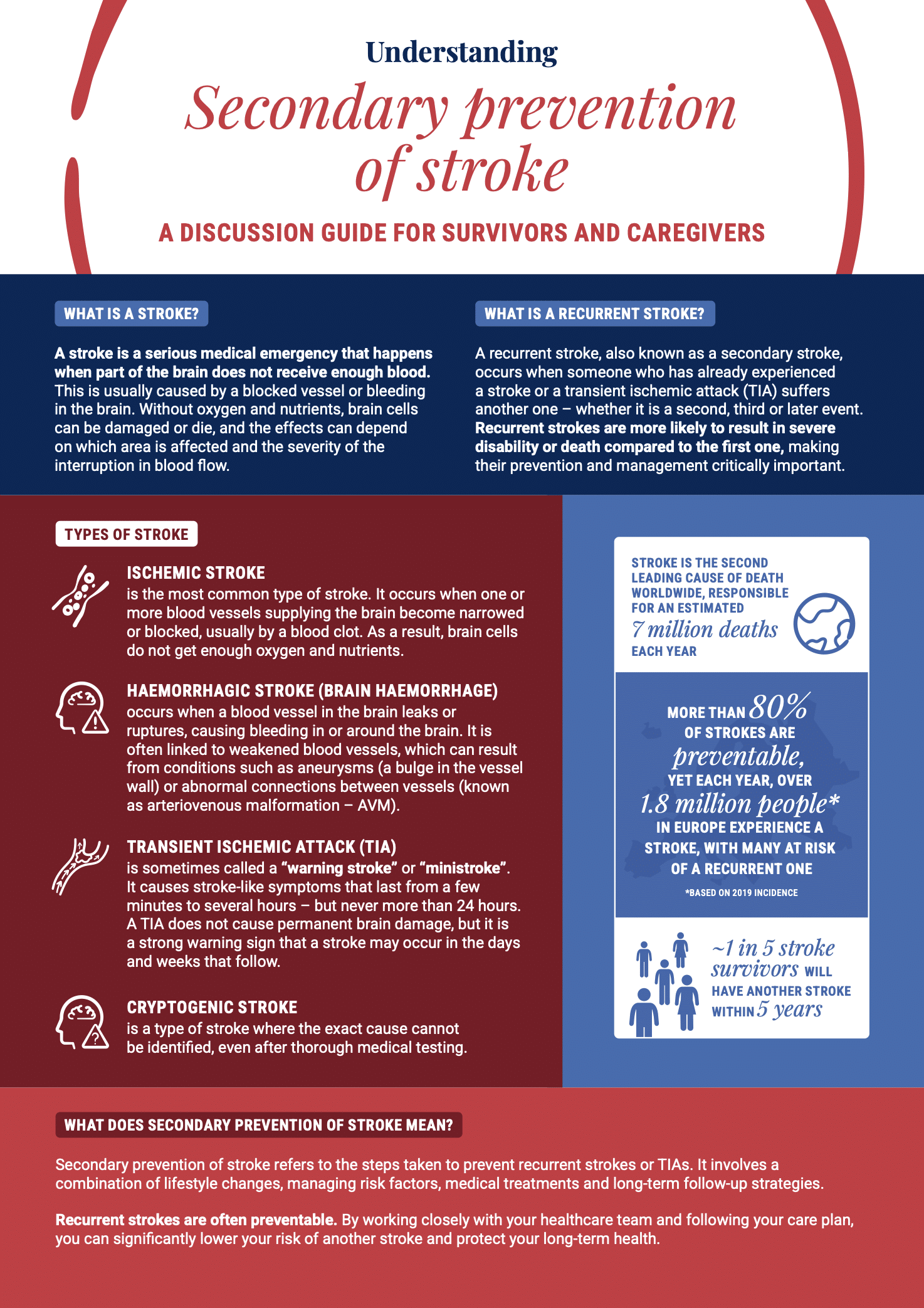
An operation that changed my life
A rare, complex and delicate 12-hour open-heart operation called a “septal myectomy” was needed at La Timone Hospital in Marseille. This procedure involves removing part of the heart muscle responsible for obstructing the flow of blood. When I came out of the operating theatre, a defibrillator was implanted as a preventative measure, as well as a pacemaker that I would keep to address a complete atrioventricular block, which remains a significant risk after this type of operation.
The operation went well, but a few days later it was complicated by severe endocarditis affecting the leads and devices, which had become infected with a “pyocyanic” bacteria. After the removal of the stimulators, the implantation of another pacemaker and six weeks of powerful antibiotic treatment, I began cardiac rehabilitation at Léon Bérard Hospital in Hyères, before another post-operative stay at Arnaud de Villeneuve Hospital in Montpellier.
No one knew whether I would ever be able to walk again or manage the essential things in everyday life. But thanks to my courage and determination, and despite the worry of my parents, loved ones and doctors, I succeeded after six months in hospital. The love that others give me helps and guides me in the choices I make in life, and of course in the fight I have been leading against this illness since my earliest childhood.
"I remain torn between joy and fear of the unknown, relief, gratitude and guilt, but despite everything, I remain confident."
A disease that continues to progress
Despite these treatments, my illness gradually progressed to advanced heart failure. Today, my doctors have made the decision to place me on the national waiting list for a heart transplant, which is now my only therapeutic option.
After this multidisciplinary and collective decision to place me on the heart transplant waiting list, I was quick to share the news with my family and friends. Of course, I cried in order to release this overwhelming amount of emotion and make space for everything that was still to come. I remain torn between joy and fear of the unknown, relief, gratitude and guilt, but despite everything, I remain confident.
Swimming as my ally
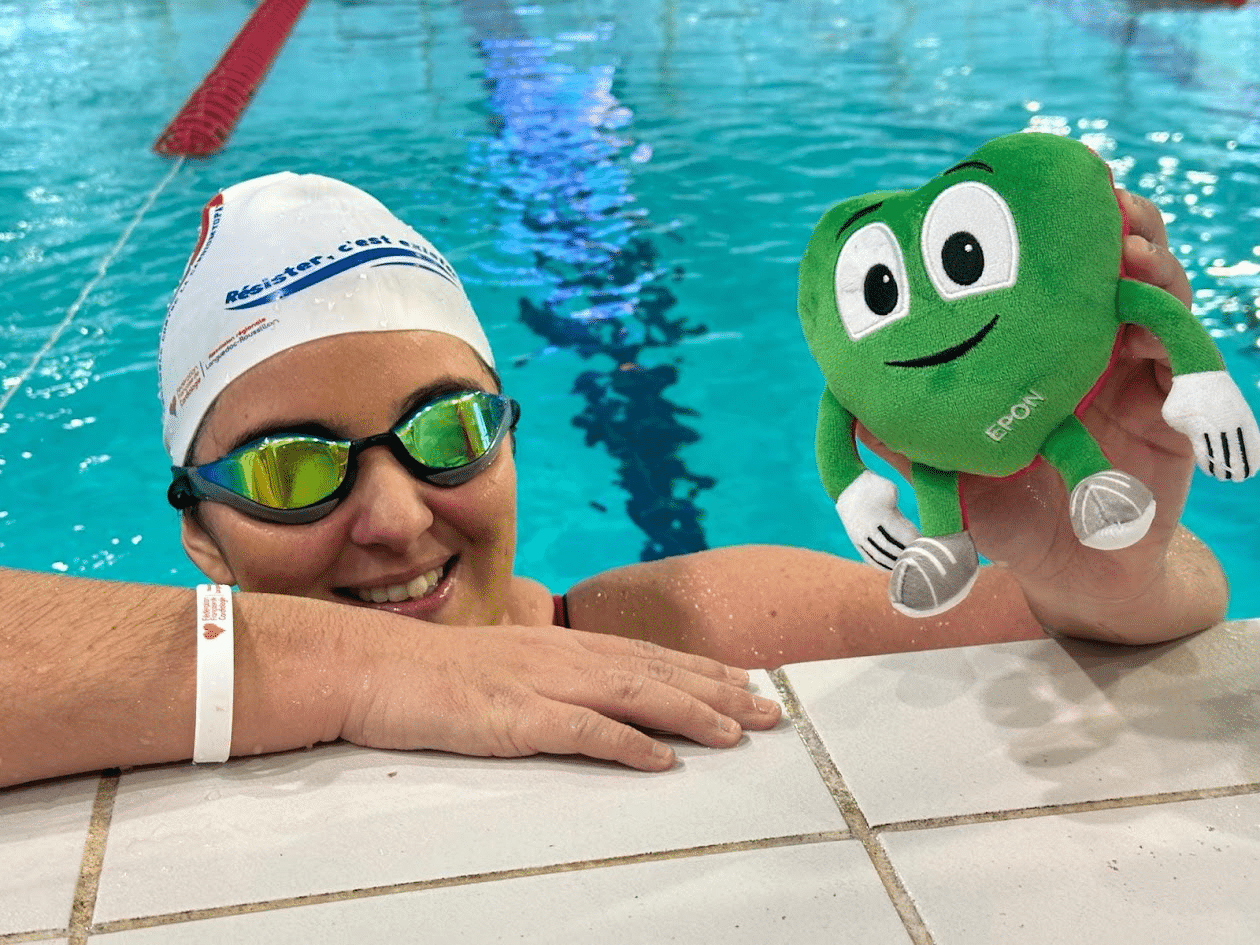
Faced with this illness, swimming became my ally. By adapting the assessment criteria with my sports teachers at high school and university, under the supervision of my cardiologists, I was able to take part in adapted physical activity alongside the other students, without it becoming a barrier and without feeling different.
By swimming at my own pace, without being timed, I was able to swim breaststroke, front crawl and backstroke like everyone else. The water immediately captivated me and brought me peace. By immersing myself in it, it gave me the freedom I had hoped for so much, allowing me to feel comfortable, understood and alive. Swimming has helped me relieve some of my symptoms: fatigue, breathlessness, fluid retention, swelling and chest pain. It has also allowed me to preserve my physical condition and continue living despite the obstacles.
"Unfortunately, people still believe that when you have a fragile heart, you should avoid all effort in order to protect yourself. But this is wrong. "

Turning my fight into a message of hope
To raise awareness of heart conditions and the benefits of adapted physical activity, I have completed several sporting challenges. On 18 June 2022, I became the first woman in the world with very severe hypertrophic cardiomyopathy to swim 5 km in open water during a 15 km relay swim between La Grande-Motte and Palavas-les-Flots.
This adventure raised more than €6,000 in donations and contributed to the creation of a €50,000 research grant through the French Federation of Cardiology, supporting the Cardiomyofit project, which aims to fight against physical deconditioning in patients with hypertrophic cardiomyopathy through adapted physical activity.
On 28 September 2024, I swam for six hours without stopping in the Angelotti Olympic swimming pool in Montpellier to show that nothing is impossible, but that everything is possible. Then, on 4 October 2025, I completed a new challenge by swimming for seven hours non-stop, covering a distance of 10 kilometres.
Through these challenges, I wanted to break down taboos and false beliefs. Unfortunately, people still believe that when you have a fragile heart, you should avoid all effort in order to protect yourself. But this is wrong. Being active through adapted physical activity is a way of continuing to live.
Through every swimming challenge, I am able to use my body as a tool to share messages with the general public and the media, and to transform my fight into a message of hope, struggle and strength for everyone living with illness. Despite my cardiomyopathy, I have succeeded in showing that new possibilities exist and in becoming an accomplished athlete.
"Through every swimming challenge, I am able to use my body as a tool to share messages with the general public and the media"
The birth of LA NAGE DU CŒUR
It is through my life journey with a severe heart condition that I am now dedicating myself to LA NAGE DU CŒUR. This event was born from my experience and my fight. Its mission is to promote cardiovascular health through adapted physical activity, in a spirit of solidarity, prevention and inclusion.
For me, adapted physical activity does not mean less sport or fewer achievements. It is a different kind of sport, designed to protect, relieve, help people flourish and rebuild themselves. Every controlled movement is a step towards reclaiming yourself.
Waiting for a new life
The 2026 edition of LA NAGE DU CŒUR will have a very special meaning for me, as it could be the last one I complete with my diseased heart before a heart transplant. It will be another opportunity to challenge my illness and show that it is still possible to swim, even while waiting for a transplant.
When I receive the call telling me that a heart is compatible with mine, I will realise that somewhere, someone will have lost their life, while I will be here, fully alive, discovering a new life and a second chance.
Two bodies will then meet in a moment of humanity, for one purpose: allowing life to pass on, allowing it to continue beating at 1000% throughout my entire being. I will become aware of this responsibility and move forward step by step in order to honour this gift with dignity, because there is no greater gift that can be given than life itself. I will no longer be alone. From that moment on, there will be two of us.
Resources

High Cholesterol GoToGuide – German
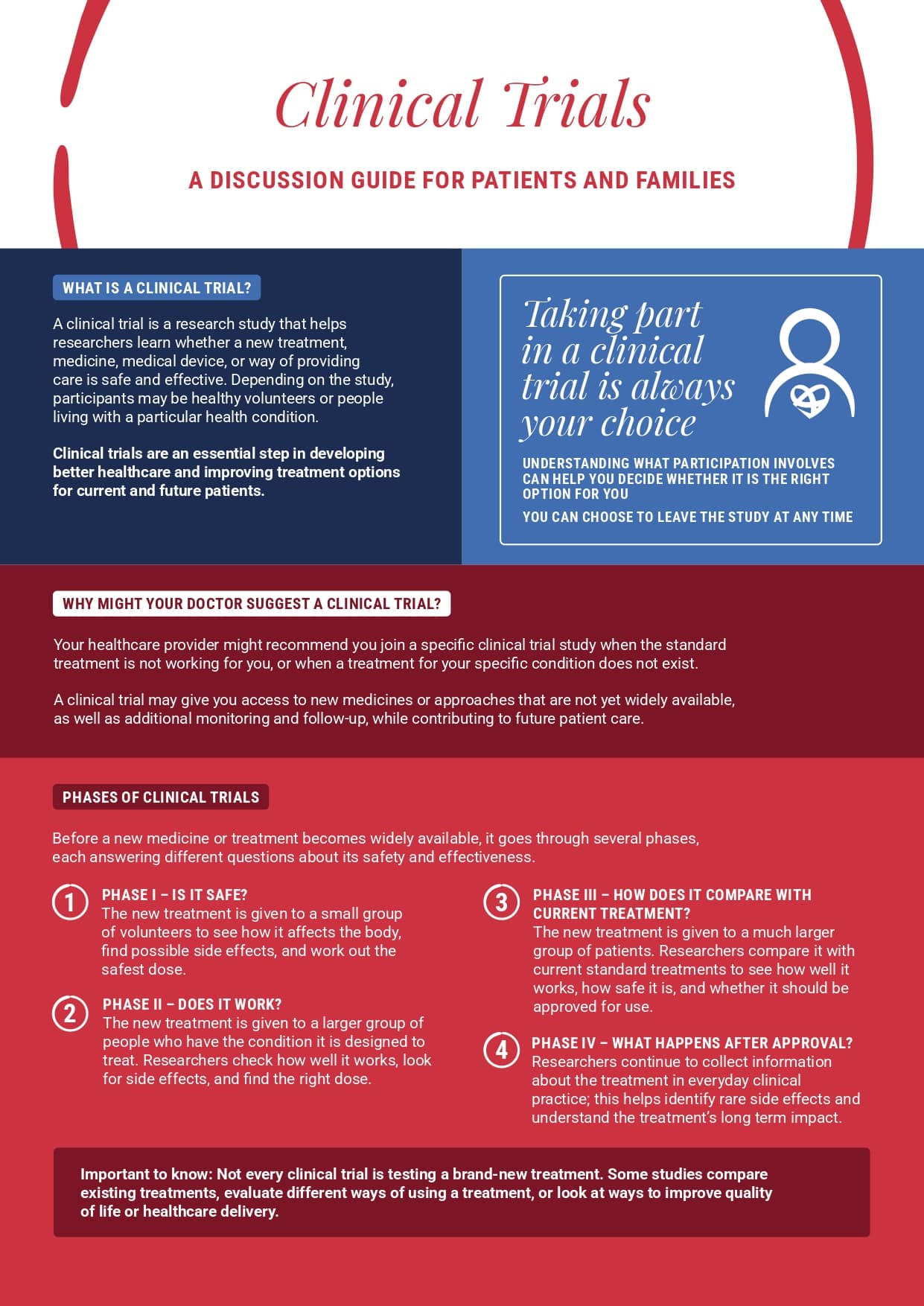
Clinical Trials Discussion Guide – English